Tailwind Labs Joins Shopify: What Developers Should Know

Key Takeaway
Tailwind Labs — the team behind the most-installed CSS framework on the planet — is joining Shopify. The MIT-licensed framework stays open source and the same team keeps maintaining it, but the commercial side is over: Tailwind Plus and ui.sh stop accepting new signups. For the 110 million weekly installs, the practical question is whether a corporate home changes the roadmap.
Top 3 News Headlines
- Tailwind Labs is joining Shopify — Tailwind CSS, 2026-09-09: Adam Wathan announces the move; MIT license unchanged, and the team continues to lead and maintain the open-source projects with Shopify's support.
- Tailwind Labs Joins Shopify: What Developers Must Know — Byteiota, 2026-09-09: analysis of what the "stable long-term home" framing leaves out — the commercial business is being wound down.
- Shopify Brings On Tailwind Labs Team to Drive Custom Storefront Push — PYMNTS, 2026-09-09: Shopify's custom storefront and agentic-commerce ambitions are the strategic backdrop for the move.
Top Hacker News Signals
- Tailwind Labs is joining Shopify — HN, 2026-09-09: active thread; recurring themes are relief that MIT stays, concern about the closed signups, and debate over what "agentic commerce" means for front-end tooling.
- Community context: the thread surfaces Wathan's January note that docs traffic was down ~40% from early 2023 despite record installs — the paid docs business was shrinking while the framework kept growing.
Tech Impact
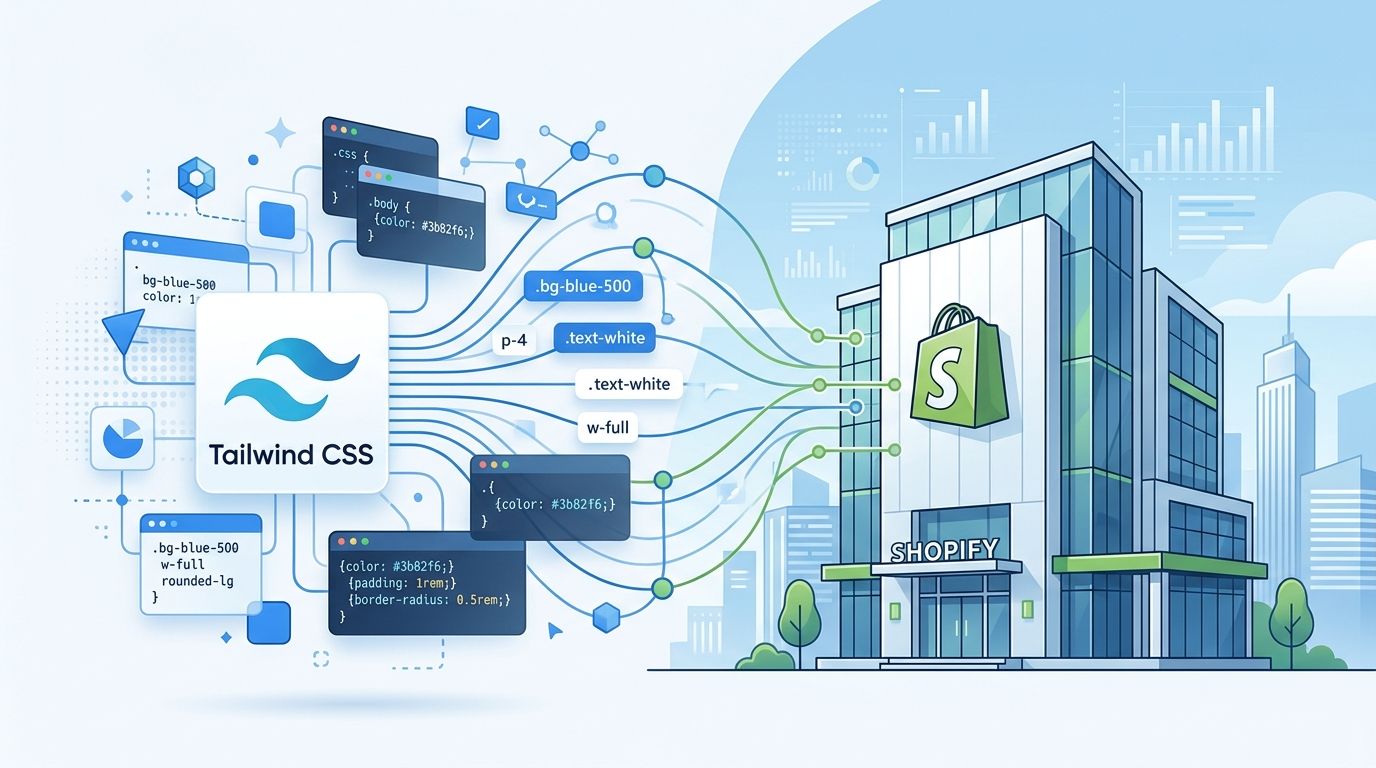
The deal is an acqui-hire with a twist: Shopify gets the team, Tailwind gets a "stable long-term home." Wathan's post is explicit that nothing changes for the open-source projects — everything stays MIT-licensed and the team continues to lead and maintain them. The framework's reach is hard to overstate: 110 million installs per week, styling products at ChatGPT, X, Cloudflare, Reddit, and Shopify itself.
The commercial wind-down is the real change. Tailwind Plus (the paid component library) and ui.sh close to new customers immediately; existing customers keep access. Wathan's stated motive is to stop running a business and develop "in service of a real product" — Shopify's storefront and its agentic-commerce push, where interfaces increasingly get generated and adapted by AI agents rather than hand-built.
Advertisement
What this means for developers: the core framework is safe — arguably safer, with a large company's engineering budget behind it. The risk is focus. Tailwind's roadmap will bend toward Shopify's needs (custom storefronts, agentic commerce) and away from the long tail of generic web development. Teams on Tailwind Plus or ui.sh get access without updates — plan a migration path for paid components.
The Canada angle: Shopify, one of Canada's largest tech companies, is consolidating the developer-tooling layer around commerce — the same playbook as its past acquisitions of open-source commerce tools.
GitHub Repos to Watch
- tailwindcss/tailwindcss — the core framework, now maintained with Shopify's support.
- tailwindlabs/headlessui — unstyled, accessible UI components; watch its cadence as a signal for how the team's priorities shift.
What to Do Next
- Audit your stack — if you use Tailwind Plus components or ui.sh, inventory them now; access continues but updates stop.
- Watch the first releases under Shopify — the v4.x roadmap will show where the framework is heading (expect commerce and agentic-UI emphasis).
- No action needed for the core framework — MIT license and the same maintainers mean existing projects keep working.
Pulse Summary: Tailwind is joining Shopify: MIT unchanged, commercial products closed to new signups, and the team pivots to agentic commerce. The framework is safe; the roadmap is now Shopify-shaped.
Advertisement