Ibn Khaldun: The Forgotten Architect of Economics
July 27, 20261 min read

Key Takeaway
400 years before Adam Smith, a North African judge namedIbn Khaldunhad already described division of labor, the labor theory of value, supply and demand, and the tax curve. His bookThe Muqaddimahis essentially a guide to why societies rise and fall--and it invented economics along the way.
Watch the Video
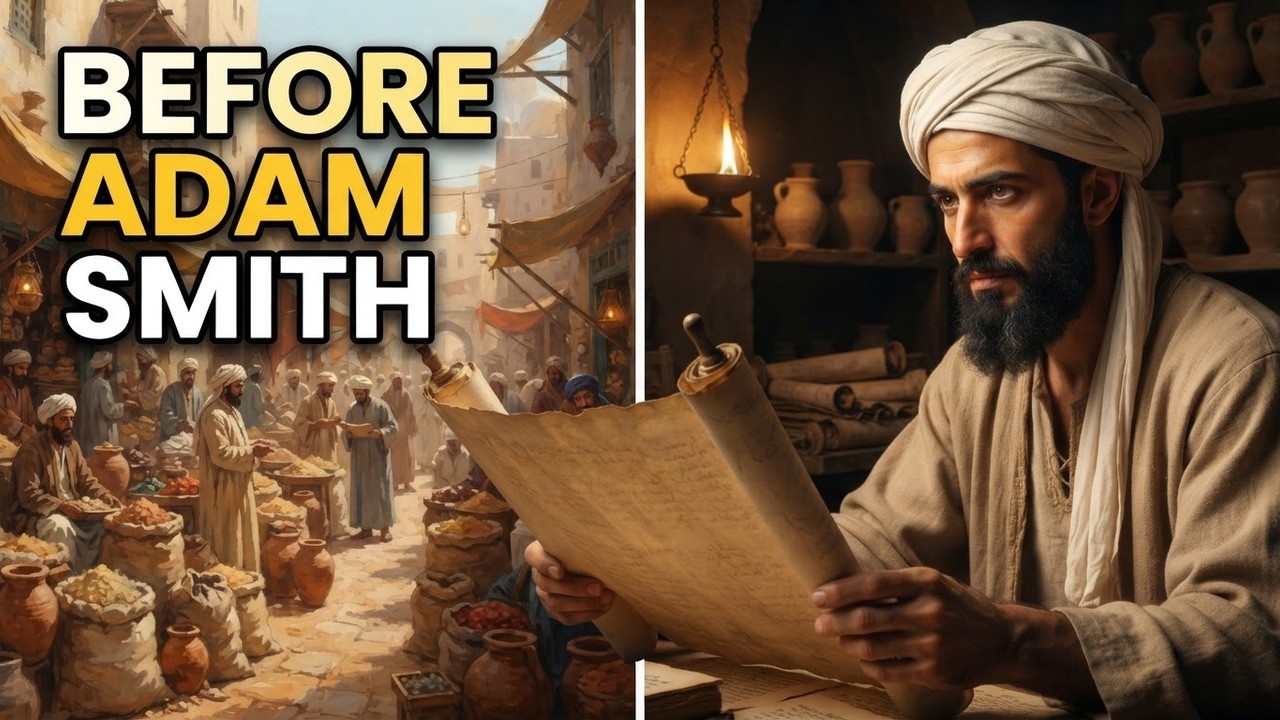
Our latest YouTube video breaks down Ibn Khaldun's ideas and asks a modern question: are today's economies still producing, or just extracting?
Advertisement
Watch now:Ibn Khaldun: The Forgotten Architect of Economics
Why This Matters
- Labor creates value:The worth of a thing is the human work embedded in it.
- Asabiyyah (group cohesion):The hidden force that builds states--and the success that often dissolves it.
- Tax curve:Early dynasties collect more with light taxes; late dynasties collect less with crushing ones. Sound familiar?
Bottom Line
Ibn Khaldun's economics was never about money. It was about whether a society still makes things. Watch the full video above and subscribe for more hidden histories of economics.
Advertisement